Chinese Coolies are the first of the Malaysian early settlers, they came over as early as the 15th century till the formation of independent Malayan state in 1957.
Malaysian Chinese Coolies early settlers were traders. They did not built a home here in Malaya but returned home to upon completion of business transactions. Most of the traders comes from Fujian and were striving during the China Southeast Asia maritime trade.
The end of Qing Dynasty, the start of Taiping Rebellion and Opium War triggered the real rush of Chinese immigration by the mid 18th century. And the real big rush came in the 19th century lured by the lucrative tin mining concessions granted by the Malays rulers.
Run run from China!
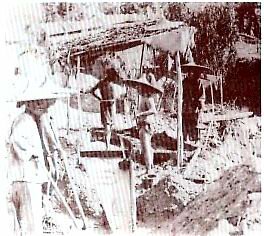
This time around, the big in flux of coolies were from Guangdong and Fujian. And the Chinese coolies were running away from China due to the fighting of the Opium War in 1840. The western power used advanced warships and artillery to force open China's doors.
The encouragement from the British to engage Chinese coolies to the tin mining and Indians who were now under the British East India Company for rubber plantations in the Malays states.The immigrants came as free labor or indentured labor on a credit ticket system.
Free labour means they financed their own journey with savings or loans from their kinsman. Credit ticket system was credit advanced by the entrepreneurs or employers in China or Malaya who also looked after the deployment of contracts, transportation and other enterprises.
Trades of Cantonese and Hakka early settlers
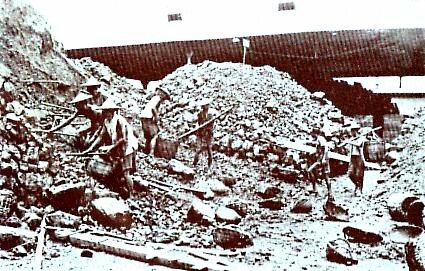
These groups of early Penang chinese coolies are not surprisingly the most exploited by their employers. They worked long hours to pay off the high interest rates on credit ticket system.
For the others, their dream to better life when they made enough money were dashed due to these high interest rates they have to pay. Caught in this cycle of indebtedness, they were forced to find other ways to earn money or some started their habit of smoking opium which they wanted to leave behind.
Opium War and the tumultuous 19th century made my Chor Chor finds his way to Malaya like all the other Chinese coolies. But strict discipline even at a young age of 19, set this young coolie man to be the founder of Valdor and Sungai Bakap.
Same time, this was the beginning of Chinese Coolies (settlers) making their permanent homes in Malaya, settling in many parts of Malaya. The distribution of Chinese dialect group in the 19th century were found mainly on the coastal side of Straits of Melaka. The Hokkiens were mostly in Penang and Malacca. The Taochiews in Province Wellesley and Johor.
The Cantonese and Hakka (Khek) in Perak, Selangor and Negeri Sembilan. And the Hokchiu (Foochow) in Phuket.
The Chinese entrepreneurs and employer that recruited labour in China for pioneering work in the Malay east coastal states were based on regional and dialect affiliation. The Kongsi (Kongsee) and secret society that recruited and controlled the Chinese coolie, clans and surname associations, trade guilds and dialect group associations.
Who were the leaders?
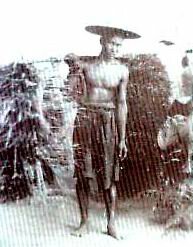
Most of the affairs of the Chinese Coolies were managed by the leaders of organization under the Kapitan Cina (Chinese Captain) or kangchu or kepala (headman) system. The roles they played are mostly temple and religious organizations, surname associations for births and funerals, mutual aids and dialect groups associations.
These self functioning bodies dispensed mutual aids, social and welfare needs of members, settled trade disputes, the go between for wages negotiation between coolies and employer and met the spiritual. Basically anything to maintain law and order in the society of the dialect associations. One of the most influential secret societies was the Ghee Hin.
Its operational functions were carried out by by branches members groups, as in the Hokkien Ghee Hin, the Cantonese Ghee Hin, Hakka Ghee Hin and the Teochew Ghee Hin.
Trades of Hokkiens early settlers
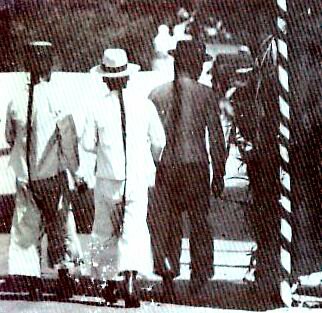
The Hokkien were mostly in Trades and commerce which occupation are financials of coolie labour recruitment, venture capitalist in tin and rubber industries, entrepreneurs and merchants. The Cantonese and Hakka are artisan and craftsman, pioneering labour in tin industry, tailors, shoemakers, carpenters, brick makers, chefs and goldsmiths.
Cantonese history showed the Opium Wars resulted in China's loss of control over Hong Kong, which was ceded to the British Empire. The turmoil of the second half of the 19th century compelled many residents of Guangdong to seek their fortunes overseas.
During the Qing Dynasty, some Hakkas used their feet to pull out weeds in rice paddies because they did not want to kneel and crawl on the land of Manchus. Read how Taochiew Khaw Boo An blocked water from getting into Penang and started the 3rd Larut War.
Trades of Teochews and Hainanese early settlers
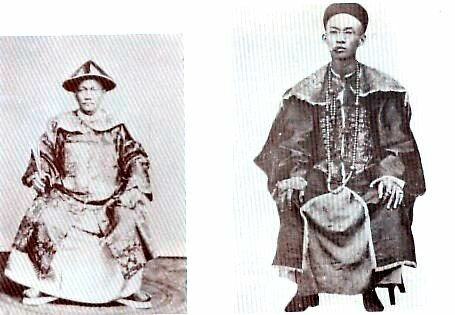
The Teochews are agriculturalist taking care of production of crops such as cloves, nutmeg, gambier and pepper. They were into food processing and distributive trades. They turned medicine man or selling herbs in their spare time as they were the hard working lots.
I guessed to keep them away from opium, but not many were strong enough not to stay away. Teochews operas are their only form of entertainment for the restless or tired immigrant. (Sometimes pronounced as Taochew, Teochiews or Taochiew.)
The Hainanese were service oriented running hotels and coffee shop, housekeepers and domestic servants of European household and establishments. The Hokchiu, Henghua and Foochow took care of transportations like bicycle shops owners, bus drivers and rickshaws or trishaws puller and peddlars.
Chinese secret societies were banned
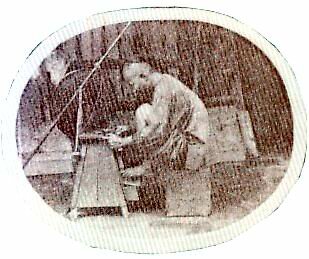
As early as the 19th century, the groups could be found engaging in the full range of trades, crafts and profession. When secret societies were banned in 1889, clans and dialect groups served to fulfill the socio-economic and welfare needs of their members, establishing hospitals and schools.
After 1920s, Mandarin was adopted to be the common language of instruction. Thus, from the 19th century until independence, the Chinese associations preserved the culture and traditions in the new homeland.
The Chinese clans holding on to the traditions and cultures by preserving temples, guilds and associations for the newly formed socio-economic and welfare needs of their members. Modern day cross dialect marriages, inter races marriages between the locals and foreigners are increasing features of the bygone era. Lest not forgotten.
The dialect based organization that played pivotal roles in the history of Chinese immigration and settlements are slowly diminishing. The most significant Chinese organization since Independence have been cross dialect Chinese based political parties and serving a whole Chinese society in the Chinese Chamber of Commerce and Industry of Malaysia.
Go to Top of Chinese Coolies Page
Back to Kee Ancestral Home Page
Back to Kee Kongsi Cheng Beng Page
Back to Kee Clan All Souls Day Page
Back to Province Wellesley Taochiews Page
Back to Kee Lai Huat Vision Page
Back to Kee Ancestors Lineage Page
Back to My Island Penang Home Page